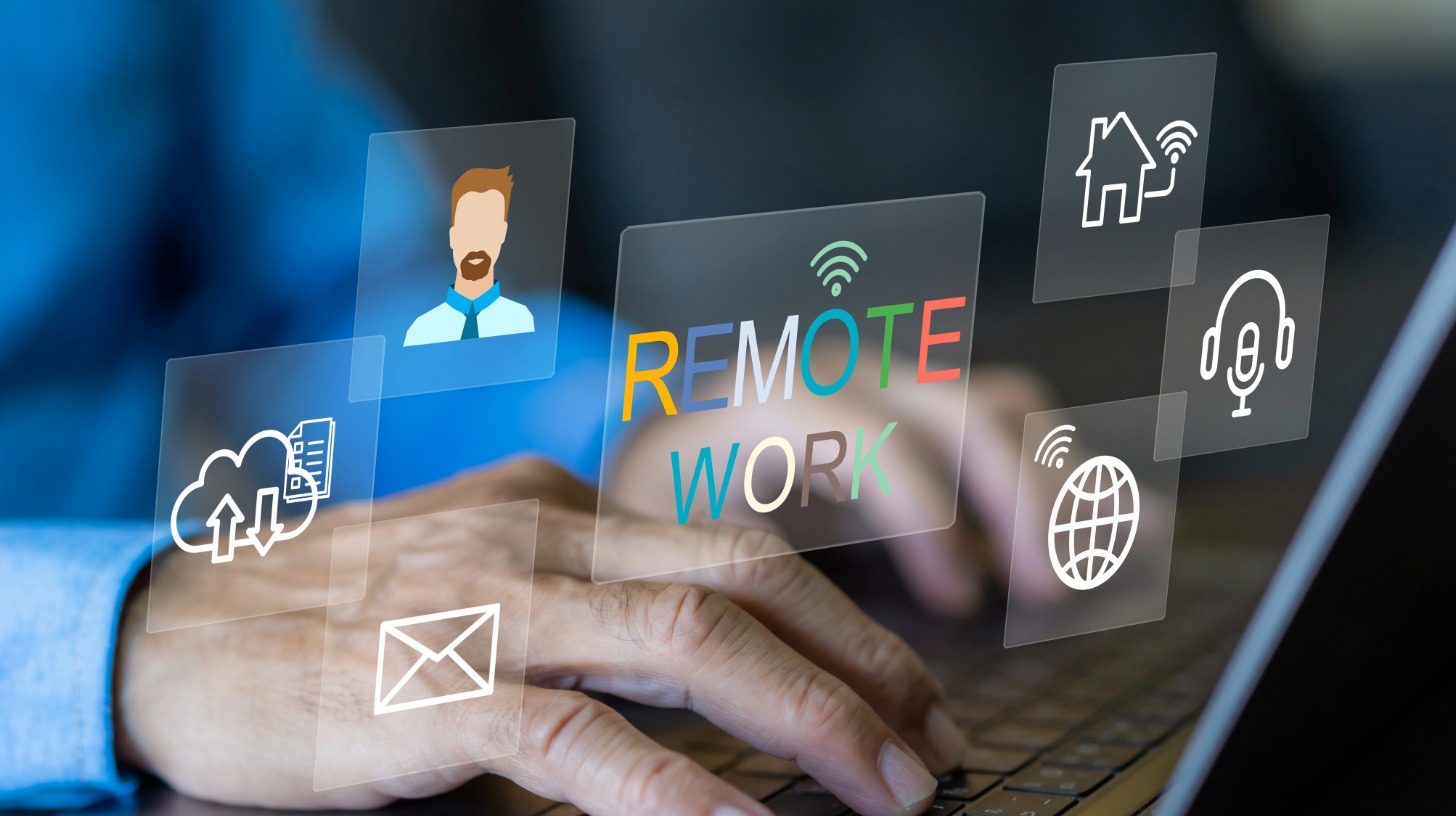

The workplace has undergone a dramatic transformation over the past few years. Remote and hybrid work models have become a standard part of business operations across industries. While this shift offers flexibility and cost savings, it also introduces new challenges in managing employees, tracking productivity, maintaining engagement, and ensuring accountability.
Organizations that successfully manage remote teams often rely on digital tools, clear communication, and well-defined processes. This is where modern workforce management platforms and HRMS solutions play a critical role.
In this guide, we’ll explore how businesses can effectively manage remote employees and build a productive, engaged, and high-performing workforce.
What is Remote Workforce Management?
Remote Workforce Management refers to the processes, tools, and strategies used to manage employees who work outside traditional office environments.
This includes:
- Fully Remote Employees
- Hybrid Employees
- Field Staff
- Sales Teams
- Consultants
- Freelancers
- Distributed Global Teams
The goal is to ensure productivity, collaboration, accountability, and employee satisfaction regardless of physical location.
Why Remote Workforce Management Matters
Many businesses initially viewed remote work as a temporary solution. Today, it has become a long-term strategy for attracting talent, reducing operational costs, and improving employee satisfaction.
Benefits include:
Access to Global Talent
Companies can hire skilled professionals regardless of geographical location.
Reduced Operational Costs
Organizations save on office space, utilities, and infrastructure expenses.
Increased Employee Flexibility
Flexible work arrangements often improve morale and retention.
Business Continuity
Remote-ready organizations can adapt more quickly to unexpected disruptions.
Essential Tools for Remote Workforce Management
Technology is the foundation of successful remote workforce management.
HRMS Platform
An HRMS centralizes employee information, attendance, leave management, payroll, and workforce analytics.
Mobile Attendance System
Employees can mark attendance through mobile applications while managers receive real-time visibility.
Geo-Location Attendance
GPS verification helps organizations confirm employee location during attendance marking.
Employee Self-Service Portal
Employees can:
- View attendance records
- Check leave balances
- Download payslips
- Submit requests
- Update profiles
Without relying on HR teams.
Team Communication Tools
Collaboration platforms help teams stay connected and aligned.
Best Practices for Managing Remote Employees
Establish Clear Expectations
Employees should understand:
- Working hours
- Communication guidelines
- Performance goals
- Reporting structures
Focus on Outcomes, Not Activity
Successful organizations measure productivity based on results rather than hours spent online.
Maintain Regular Communication
Schedule:
- Daily check-ins
- Weekly team meetings
- Monthly reviews
- One-on-one discussions
Encourage Work-Life Balance
Prevent burnout by promoting healthy working habits and flexible schedules.
Recognize Employee Achievements
Recognition helps remote employees stay motivated and connected.
The Role of Analytics in Remote Workforce Management
Workforce analytics provides valuable insights into:
- Attendance patterns
- Productivity trends
- Employee engagement
- Leave utilization
- Department performance
These insights help managers make informed decisions and identify areas for improvement.
How Medro Works Supports Remote Workforce Management
Medro Works is designed to simplify workforce management for organizations of all sizes.
Key capabilities include:
- Geo-Location Attendance
- Employee Self-Service Portal
- Leave Management
- Payroll Support
- Mobile Applications
- Workforce Analytics
- Real-Time Notifications
- Work From Home Requests
- Employee Management Dashboard
Whether your workforce is remote, hybrid, or office-based, Medro Works provides the tools needed to manage employees efficiently.
Future of Remote Work
Remote work is expected to remain a significant part of modern business operations.
Organizations that invest in digital HR technology today will be better positioned to:
- Attract top talent
- Improve productivity
- Enhance employee experience
- Scale efficiently
The future belongs to organizations that embrace flexibility while maintaining strong workforce management practices.
Conclusion
Remote workforce management is no longer an optional capability. Businesses must adopt modern tools and strategies to ensure accountability, collaboration, and productivity in distributed work environments.
By leveraging HRMS solutions like Medro Works, organizations can simplify workforce operations, improve employee experience, and achieve sustainable growth in a remote-first world.